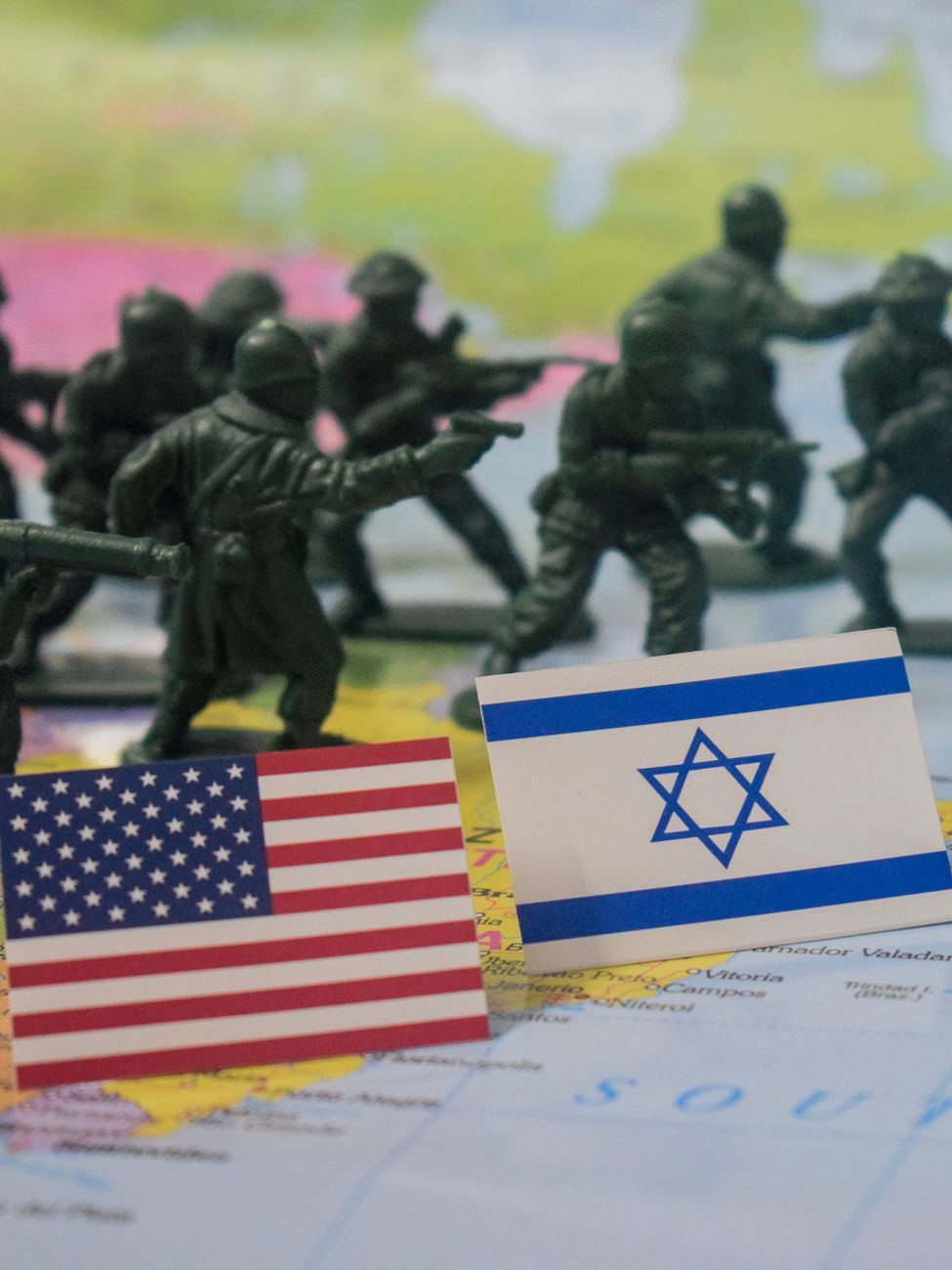
Saudi Oil Pipeline Outage Sharpens Economic Stakes in U.S.-Iran Conflict
Pipeline damage and Houthi attacks raise energy supply risks amid U.S.-Iran negotiations.
Saudi Arabia’s East-West Pipeline, a critical crude oil conduit from the kingdom’s eastern coast to the Red Sea port of Yanbu, sits offline after drone strikes rendered it inoperable. That single piece of damaged infrastructure has placed energy markets on edge and given the seven-month U.S.-Iran conflict its sharpest economic edge yet.
The financial consequences are already visible in commodity pricing. Brent crude futures with November expiry fell 1.5 percent to $104.28 a barrel on Thursday, while U.S. West Texas Intermediate futures with October expiry dropped 1.1 percent to $101.30. The modest declines reflect a cautious market response to Saudi Arabia’s workaround: alternative shipments routed through Oman’s Sohar port via ship-to-ship transfers. That arrangement buys time, but it is not a permanent fix.
Michael Feller, chief strategist at Geopolitical Strategy, put the timeline bluntly. Export-terminal stockpiles will deplete unless the pipeline is repaired within days, he said, underscoring how narrow the window is before supply constraints push harder on oil prices and regional economies.
Meanwhile, the Houthis are pressing their advantage. Iran-backed forces have intensified attacks on Saudi Arabian targets and launched a ground offensive aimed at controlling the Bab el-Mandeb Strait, the narrow passage connecting the Red Sea to the Gulf of Aden. Control of that chokepoint would give a hostile actor leverage over a significant share of global seaborne trade, a prospect that concentrates minds in energy boardrooms and among regional policymakers alike.
President Donald Trump, speaking to reporters in North Carolina on Wednesday, offered the first public signal that a negotiated exit may be within reach. “Well, hopefully we are toward the end of the war. They want to make a deal, we’ll see how that works out,” he said. Trump added that he had spoken with Tehran “directly,” though he declined to detail the substance or timing of those conversations.
Diplomatic activity is accelerating around the United Nations General Assembly in New York. The State Department issued invitations Wednesday to leaders from all six Gulf Cooperation Council states: Saudi Arabia, the United Arab Emirates, Qatar, Bahrain, Kuwait, and Oman. Trump plans to meet Gulf leaders on the sidelines next Tuesday to discuss postwar strategy, according to Axios. The guest list may expand to include other Arab and Muslim leaders.
Any formal resolution, however, faces a structural delay. Trump’s team is developing what officials describe as a day-after plan for managing the conflict’s aftermath, but that strategy is not expected to be finalized until after the U.S. midterm elections in November. Israeli Prime Minister Benjamin Netanyahu has expressed interest in meeting Trump in New York, though no meeting had been scheduled as of Thursday.
Feller’s read on the diplomatic calendar is pointed. Iran could be positioned to negotiate after the midterms, he said, but continued reluctance to engage would extend the conflict substantially. “If not, the war may continue until late 2028, if not beyond,” he warned. For energy investors and regional operators, that scenario represents a prolonged period of infrastructure risk, supply uncertainty, and elevated price volatility.
U.N. Secretary-General António Guterres on Wednesday called for de-escalation and urged the restoration of freedom of navigation in the Strait of Hormuz, though the parameters of any binding international demands remain undefined. Ceasefire negotiations between Washington and the relevant parties have stalled, leaving Gulf states to absorb ongoing attacks while diplomats circle a deal that has yet to take shape.
The pipeline repair timeline, more than any diplomatic statement, will be the first real test of whether the region’s energy infrastructure can stabilize before markets are forced to price in a longer disruption.
Q&A
What is the immediate financial market response to the Saudi pipeline outage?
Brent crude futures with November expiry fell 1.5 percent to $104.28 a barrel, while U.S. West Texas Intermediate futures with October expiry dropped 1.1 percent to $101.30, reflecting cautious market response to Saudi Arabia's temporary workaround via Sohar port ship-to-ship transfers.
What is the critical timeline for pipeline repair before supply constraints tighten?
Export-terminal stockpiles will deplete unless the pipeline is repaired within days, according to Michael Feller, chief strategist at Geopolitical Strategy, underscoring how narrow the window is before supply constraints push harder on oil prices.
What strategic advantage could Houthi control of the Bab el-Mandeb Strait provide?
Control of that chokepoint would give a hostile actor leverage over a significant share of global seaborne trade, concentrating risk in energy boardrooms and among regional policymakers.
When is the Trump administration expected to finalize its postwar strategy for the conflict?
The strategy is not expected to be finalized until after the U.S. midterm elections in November, with potential for extended conflict to late 2028 or beyond if Iran remains reluctant to engage in negotiations.