Trump says US can shut down Iran "anytime" as Gulf powers urge diplomacy
Regional diplomats push for an off-ramp as Trump threatens to "close down" Iran
U.S. President Donald Trump declared in Salina, Kansas, that Washington has “dominated” Iran and “can close them down anytime we want,” remarks delivered as Gulf and Egyptian diplomats press openly for a political off-ramp before hostilities resume. The warning from those regional powers, that any renewed round of the Iran war would prove more destructive than the first, has been met in Washington not with de-escalation but with a fresh assertion of American leverage.
The president’s comments, made at his final midterm rally, framed restraint as a temporary posture rather than policy. “We’re trying to be nice, sometimes you don’t do that. We’re trying to be a little nice but I think, you know, it’s going to be very close. We’re just going to close them down. That’s going to be the end of it,” Trump said. “Either they’ll make a deal, or we just end it. I guess you could say maybe the easy way.” In an interview with RSBN in Dubuque, Iowa, he said the war would be “put away” very soon, “one way or another.”
The accountability question raised by those remarks is whether the decision to resume or end hostilities rests with elected leadership, and on what terms. Trump claimed that most of Iran’s planes and ships had been destroyed and said the only reason he had not finished with Iran was that he wanted “to be a good guy” and try to save lives there. “But at some point, we’ll have to hit them with a hammer,” he said. Speaking to reporters on Saturday, he indicated that the United States still had to “take care of, I would say one or two sites, but we can do that in 10 minutes,” pointing to Iran’s Pickaxe Mountain. He confirmed he had discussed Iran with Israeli Prime Minister Benjamin Netanyahu but did not elaborate.
Iranian military and security officials pushed back on the premise that Washington could dictate how a second war would unfold. Iranian army spokesman Mohammad Akraminia said, according to state television, that “a potential future war could last longer than previous conflict, and the American president would not be in a position to dictate the timing or the conditions of its conclusion.” Revolutionary Guards spokesman Hossein Mohebbi went further, stating that “in a conflict with America, there are no geographical limitations.”
Meanwhile, a narrow diplomatic channel remains open behind the rhetoric. Iran’s security chief Mohsen Rezaei said he had received a letter from Vice President JD Vance and detected a positive change in “tone,” though he had yet to respond. Foreign Minister Abbas Araghchi said mediators were discussing a plan to reopen the Strait of Hormuz within two days if the United States met Iran’s conditions. The strait has been a recurring flashpoint: the U.S. and Iran signed a memorandum of understanding on freedom of navigation there on June 18, but implementation stalled over disagreements concerning security arrangements.
The role of regional powers as self-declared bystanders has become increasingly explicit. Gulf Cooperation Council Secretary-General Jasem AlBudaiwi said, “The GCC states were not a party to the war and did not seek it.” At the IISS Manama Dialogue in Bahrain, UAE presidential adviser Anwar Gargash warned that “if these positions are not bridged, then we have to worry about the worst,” adding, “We are clearly seeking a political off-ramp.” Egyptian Foreign Minister Badr Abdelatty was blunter still: “The second round will be more dangerous, more destructive, and it will lead to nowhere.” Gulf Arab states reportedly fear that another U.S.-Israeli attack on a better-prepared Iran could unleash an even more destructive war across the region.
The practical consequences of that fear are already visible in governance measures. Saudi Arabia mandated remote learning for schools nationwide as Houthi attacks continued, and senior officials from Saudi Arabia, Türkiye and Pakistan traveled to Tehran last week as part of regional diplomacy aimed at heading off another attack.
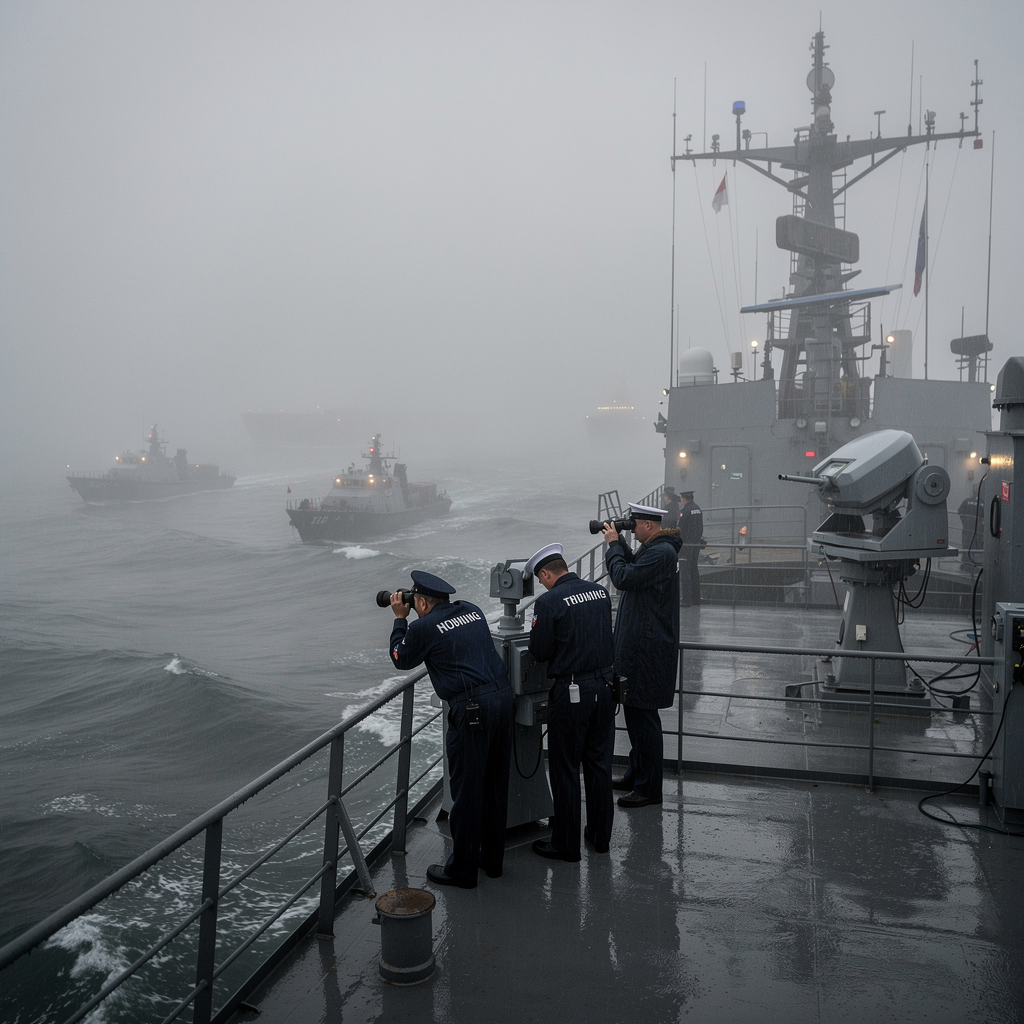
Maritime security in the strait itself has deteriorated. Iran’s Islamic Revolutionary Guard Corps navy said two tankers exploded after hitting mines in the Strait of Hormuz while using an unauthorized route, with one supertanker still burning. The vessels were not identified.
The context for the current standoff was set earlier in the year. The U.S. and Israel launched attacks against Iran on Feb. 28. Tehran retaliated against Israel and U.S. targets in the region before a ceasefire was reached in April. Whether that ceasefire holds now depends less on the battlefield than on whether the diplomatic conditions being traded between Washington and Tehran, and urged by the region’s governments, can be bridged before either side decides otherwise.
Q&A
Who did President Trump say he had discussed Iran with, and what did he disclose about it?
No. He confirmed he had discussed Iran with Israeli Prime Minister Benjamin Netanyahu but did not elaborate on the substance of the discussions.
What diplomatic arrangement was being discussed regarding the Strait of Hormuz?
Mediators were discussing a plan to reopen the Strait of Hormuz within two days if the United States met Iran's conditions, according to Foreign Minister Abbas Araghchi.
What did Gulf Cooperation Council officials say about the war?
GCC Secretary-General Jasem AlBudaiwi said the GCC states were not a party to the war and did not seek it, while UAE adviser Anwar Gargash and Egyptian Foreign Minister Badr Abdelatty warned a renewed conflict would be more destructive.
How did Iranian military officials respond to Washington's assertions?
Iranian army spokesman Mohammad Akraminia said a potential future war could last longer than the previous conflict and that the American president would not be in a position to dictate the timing or conditions of its conclusion; Revolutionary Guards spokesman Hossein Mohebbi said there are no geographical limitations in a conflict with America.