Gaming's Capital Shift: Tokyo Show Expands as UAE, Global Investors Eye $200B Market
Major publishers and emerging markets reshape gaming's competitive landscape at record-breaking Tokyo event.
Tokyo Game Show 2026 opened Thursday at Makuhari Messe in Chiba as its largest edition on record, with 759 exhibitors from 51 countries and regions filling nearly 4,000 booths. For the first time, the event runs five days, adding two dedicated business days before three consecutive public-facing days. That structural expansion signals how seriously the global gaming industry now treats the show as a commercial platform, not merely a consumer spectacle.
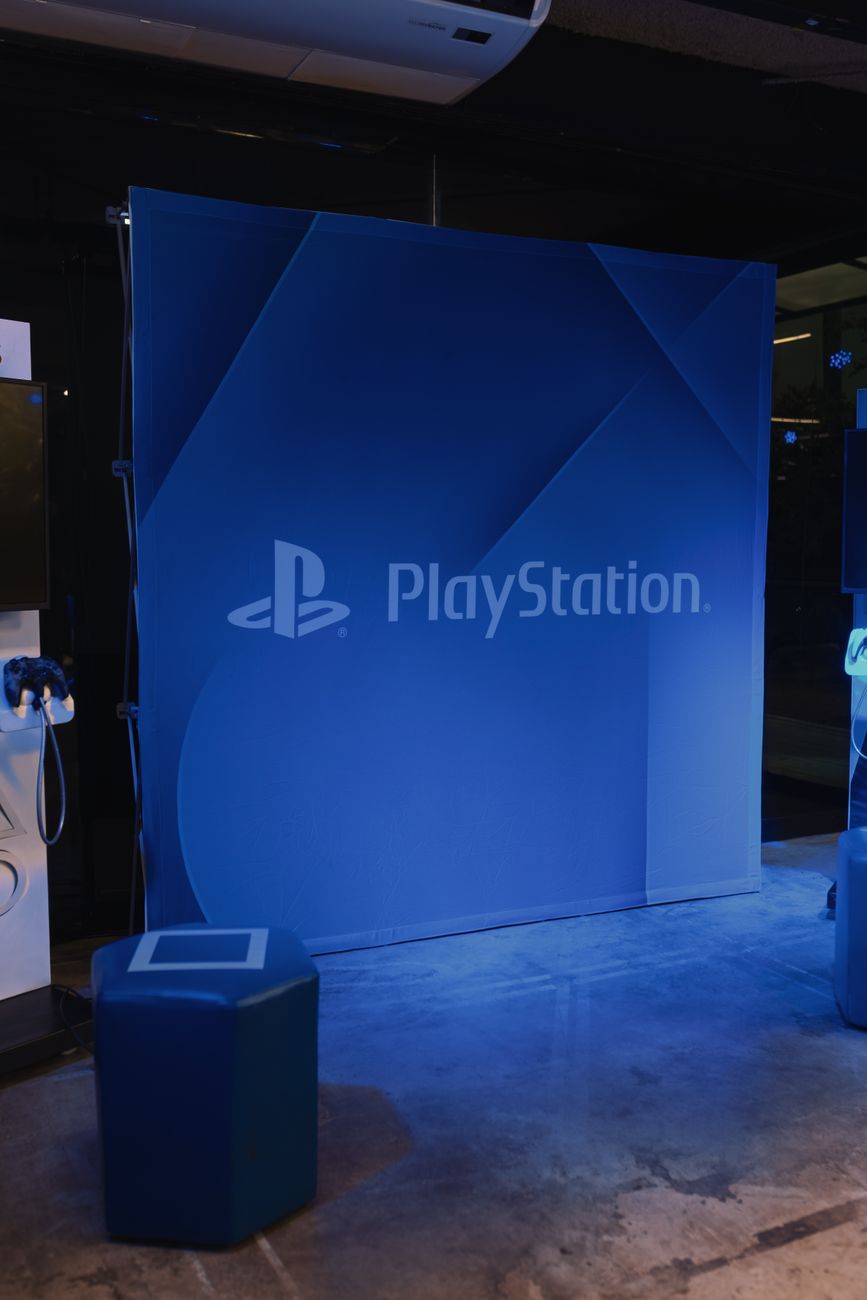
The financial weight of the major publishers is visible on the floor. Sony Interactive Entertainment, Capcom, Square Enix, Sega, Atlus, Konami and Bandai Namco have all assembled substantial presences, ranging from imminent releases to titles slated for 2027. The PlayStation booth features several highly anticipated PS5 titles, including Monster Hunter Wilds: Ascendance, Final Fantasy VII Revelation, Marvel’s Wolverine and Ace Combat 8: Wings of Theve. Sony has also allocated a dedicated theatre to Grand Theft Auto 6, Rockstar Games’ forthcoming open-world release, offering an extended presentation despite the title not being playable on the show floor. Dedicating that much real estate to a third-party game reflects expectations that GTA 6 will be one of 2026’s defining commercial launches.
Sega and Atlus have constructed one of the event’s most active exhibition areas. Persona 4 Revival is available for hands-on play ahead of its release, while Sega is simultaneously showcasing Stranger Than Heaven, the return of Crazy Taxi and a broader slate spanning from Sonic to Total War: Warhammer 40,000. Remedy Entertainment’s Control Resonant, the sequel to 2019’s Control, is also playable at Tokyo. The title launches digitally on September 24 for PS5, Xbox Series X/S and PC, making the show one of the final opportunities for players to experience it before release.
By contrast, Xbox’s presence reflects Microsoft’s shifting strategic orientation. The company is marking its 25th anniversary year while demonstrating a business model increasingly untethered from traditional console competition. Microsoft is displaying Minecraft Dungeons II, and Call of Duty: Modern Warfare 4’s multiplayer is available through partner Happinet ahead of launch. The broader approach now extends well beyond Xbox hardware, with more games appearing across consoles, PC and additional platforms.
Nintendo maintains an indirect presence despite lacking a public exhibition booth. The Switch 2, which has sold more than 23 million units worldwide since launching last year, continues to attract robust third-party support. Publishers are developing games for the console without Nintendo engaging directly in the traditional Sony-Microsoft competitive dynamic.
Sony’s position presents a more complex picture. PlayStation remains a powerful industry brand with formidable games at its Tokyo booth, but 2026 has introduced complications: higher hardware pricing, questions about the strength of its first-party development pipeline and the announcement that new PlayStation releases will eventually transition away from physical disc distribution.
The show’s internationalization extends beyond traditional gaming centres. Abu Dhabi publisher and developer Red Dunes Games has brought nine titles to Tokyo, including Zozo and the Lost Dreams, Port of Jumanah and Nightmare Circus. Pakistan is also making a significant appearance through the Tech Destination Pakistan pavilion, which assembles Pakistani game companies with support from the Japan International Co-operation Agency. The pavilion aims to connect Pakistani studios with Japanese companies, demonstrating how Tokyo Game Show is becoming an important meeting point for gaming industries beyond Japan, North America and Europe.
Games are crossing hardware boundaries more fluidly, publishers are emerging from new markets, and the industry is increasingly focused on reaching players wherever they engage. Whether that structural loosening benefits platform holders like Sony and Microsoft, or ultimately shifts leverage toward publishers and developers who can distribute across every surface, is the question the 2026 edition leaves open.
Q&A
How many exhibitors and countries participated in Tokyo Game Show 2026?
759 exhibitors from 51 countries and regions, filling nearly 4,000 booths.
What structural change did Tokyo Game Show 2026 introduce to its format?
The event expanded to five days for the first time, adding two dedicated business days before three consecutive public-facing days.
Which new gaming markets made significant appearances at the 2026 show?
Abu Dhabi's Red Dunes Games brought nine titles, and Pakistan made a significant appearance through the Tech Destination Pakistan pavilion, which assembles Pakistani game companies with support from the Japan International Co-operation Agency.
What is Microsoft's strategic orientation at Tokyo Game Show 2026?
Microsoft is marking its 25th anniversary while demonstrating a business model increasingly untethered from traditional console competition, with games appearing across consoles, PC and additional platforms beyond Xbox hardware.