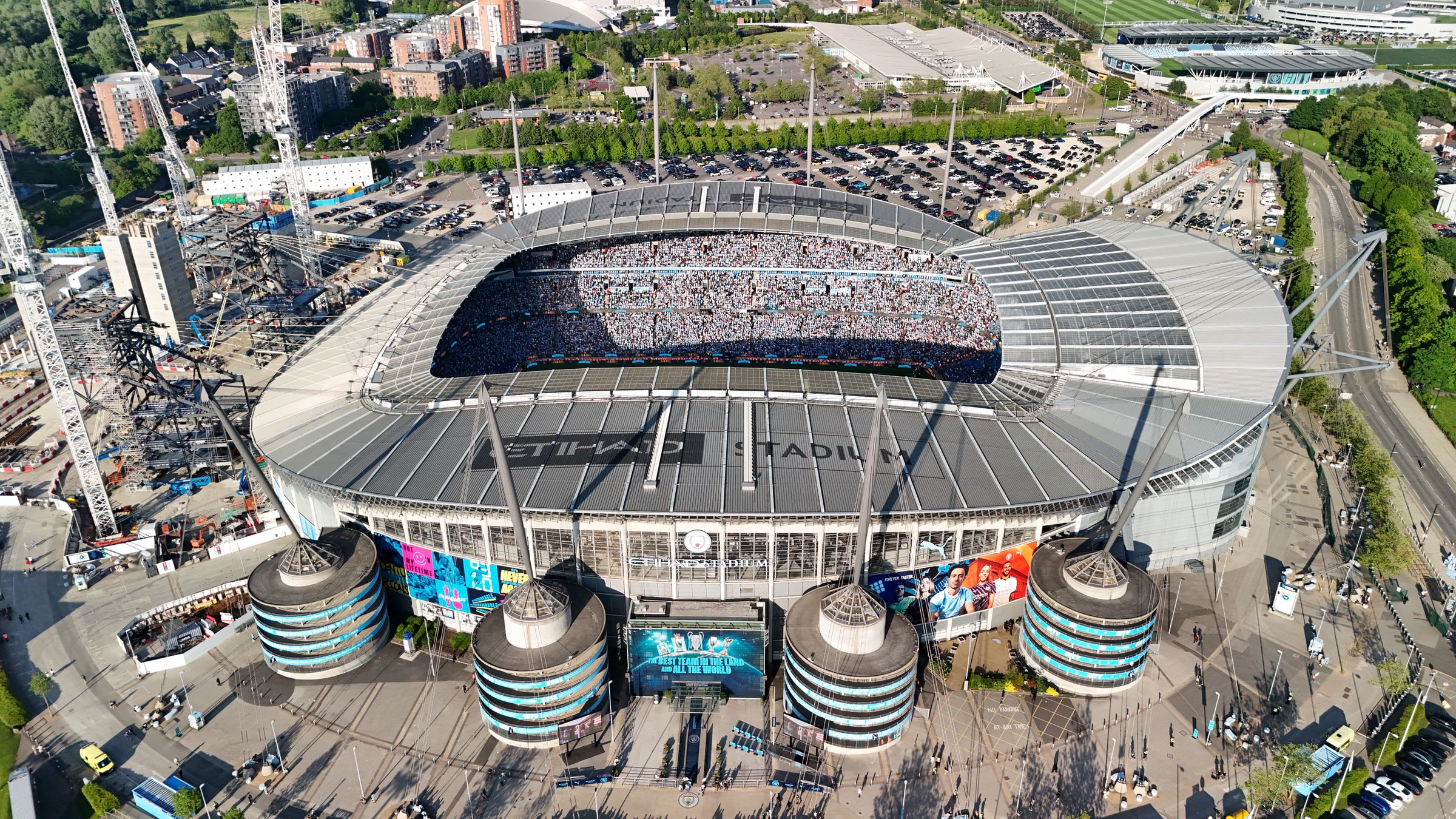
Man City appeal to argue sponsor cash came from Abu Dhabi state
Appeal to claim Abu Dhabi government, not owner, backed sponsor payments
Manchester City’s appeal against the Premier League verdict that found the club disguised owner funding as sponsorship revenue will hinge on a claim about where the money actually came from: the Abu Dhabi government itself, rather than the club’s owner.
City’s lawyers are expected to lodge their appeal before Friday’s deadline. According to reporting first carried by the Daily Mail and The Times, they intend to present evidence to an appeal board that they say refutes the central finding of the original independent commission. That finding was that more than £830m in funding from owner Sheikh Mansour had been channelled through sponsors to inflate revenues and allow the club to comply with Premier League and UEFA financial rules through what the commission described as a series of “sham” arrangements.
The club’s counter-argument places the Abu Dhabi Crown Prince Court (CPC) at the centre of the financial story. City will insist that government funding, provided via the CPC, gave financial assistance to sponsors in the emirate to help them meet their liabilities to the club, rather than coming from Sheikh Mansour’s Abu Dhabi United Group (ADUG), the company that owns City. The CPC is described as an independent government entity that supports socially driven initiatives and provides financial and other types of support to businesses.
Ferran Soriano, the club’s chief executive, addressed staff soon after the Premier League published the commission’s decision on Tuesday. “The whole Premier League case against us is based on a single false accusation, that the owner’s personal money was somehow and secretly put into the club via some sponsors from Abu Dhabi. This is just not true,” he said. “Irrefutable evidence has been provided to the Premier League commission that shows that it could not happen and that it did not happen. This includes bank statements, money transfers, witnesses and everything necessary to categorically demonstrate the money did not come from the owner.”
The commission, however, had already weighed that explanation and rejected it. The 40-page core decision, published on Tuesday, found the CPC explanation to be “untrue”, adding: “We concluded that it was an ‘explanation’ that the club had concocted well after the event in an attempt to obscure and conceal the realities of the disguised funding scheme.” City responded the same evening by signalling their intention to appeal, saying the decision contained “clear material errors, of law, principle and fact, and is unsafe”.
The case has dominated sports headlines for almost a week since initial unconfirmed reports emerged last Friday, and the reputational cost to English football’s top competition is becoming a theme in its own right. Former Manchester United defender Gary Neville said the Premier League had been “dragged through the mud” by the episode. “To listen to this, it is chilling,” he said on Thursday’s episode of the Stick To Football podcast. “We always think that we’ve got an enormous integrity, the Premier League, that we are the sort of league that sets the standard, and that it’s other leagues that have got corruption, fraud, doping scandals, match-fixing, referee scandals. This is now coming to our country. This is now coming to our league. This is the greatest export that we have in our country.”
The commercial stakes of ownership itself are now part of the debate. Former Liverpool defender Jamie Carragher, writing in the Daily Telegraph, argued that Sheikh Mansour will have to sell if the appeal fails and the club is ultimately found guilty. “Manchester City are at the end of their Abu Dhabi era. The club can only heal and recover from the shame of their guilt once the custodians recognise they have failed in their duty and sell up,” Carragher wrote. “There is no way to sugar-coat this. The scale of the institutional cheating and lack of co-operation in the investigation means the position of all City executives involved is untenable. Fighting on will only prolong the agony of supporters who wrongly believe their pleas of innocence.”
By contrast, UK Prime Minister Andy Burnham said on Wednesday he would be “concerned” to lose the Abu Dhabi group as owners. “They’ve been such a huge partner in the building of modern Manchester. Obviously, the building of Manchester City into the global force that it is,” Burnham told the BBC.
Burnham’s comments came after David Kogan, chair of the Independent Football Regulator (IFR), said the ruling “raises serious issues”, noting that the body has the power to assess the suitability of club owners and executives once proceedings come to a close. For now, the financial question at the heart of the appeal, whether the sponsorship money flowed from a government body or from the owner’s own company, will be tested before an appeal board in the days ahead.
Q&A
What did the independent commission find against Manchester City?
That more than £830m in funding from owner Sheikh Mansour was channelled through sponsors to inflate revenues and comply with Premier League and UEFA financial rules via sham arrangements.
What is the club's core argument on appeal?
That funding came from the Abu Dhabi government via the Crown Prince Court, which assisted sponsors in meeting their liabilities to the club, rather than from Sheikh Mansour's Abu Dhabi United Group.
How did the commission respond to the CPC explanation?
It found the CPC explanation untrue, calling it an explanation concocted well after the event to obscure and conceal the disguised funding scheme.
What role could the Independent Football Regulator play?
The IFR, chaired by David Kogan, has power to assess the suitability of club owners and executives once proceedings conclude.