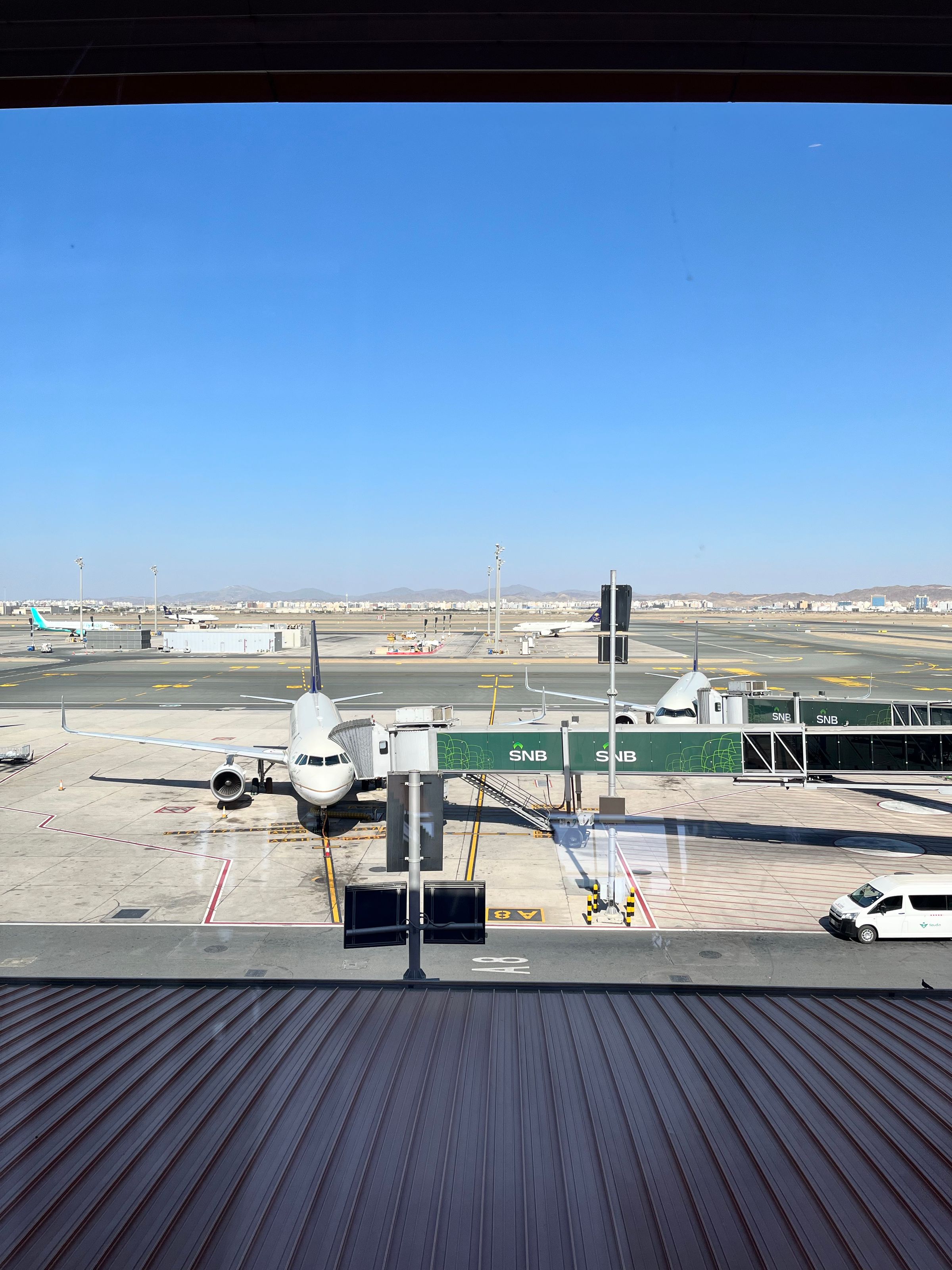
Strikes on Saudi Airport Rattle Gulf Investors, Trade Flows
Riyadh airport attacks expose the cost of weak Gulf defence coordination
Strikes on Saudi Arabia’s King Khalid International Airport have hit more than lives. They have struck at the commercial arteries of one of the region’s largest economies, disrupted commercial aviation, and sharpened a debate among Gulf governments and investors over whether the region’s security architecture can protect the economic assets it underpins.
The human toll was severe. On October 10, a Houthi attack on the Riyadh airport killed at least 12 people and injured hundreds, according to Saudi authorities. A further attack on October 11 hit a terminal at the facility, killing one person and injuring 11 others. Saudi officials also reported intercepting additional aerial threats near the airport. Yemen’s Houthi movement then warned airlines and travellers against using Saudi airports and airspace, declaring that aviation facilities could remain targets of its military operations, with exceptions announced for airports serving Mecca and Medina. The escalation has raised concerns over the safety of commercial aviation and the possibility of further disruption to regional transport networks, a direct commercial risk for carriers, operators and businesses dependent on Gulf connectivity.
It was against this backdrop that the United Arab Emirates issued its warning. Anwar Gargash, diplomatic adviser to UAE President Sheikh Mohamed bin Zayed Al Nahyan, said on October 12 that escalating attacks on Saudi Arabia threaten the stability of the entire region and called for stronger collective security and defence cooperation among Gulf Arab states.
In a statement published on X, Gargash argued that the Gulf states had become targets of a conflict they had sought to avoid, accusing the aggressor of mistakenly viewing them as the weakest link in the regional confrontation. “Since the onset of the aggression against the Arab Gulf states, stemming from the aggressor’s misguided assessment that they were the weakest link in a war we sought to avoid, it has become clear that we are all targeted, and that our security is indivisible,” he wrote.
For market-watchers, the core of his argument was economic as much as military. Gargash stressed that threats against Saudi Arabia could not be treated as an isolated national security issue, given the close political, economic and strategic connections among Gulf countries. “Targeting the sisterly Kingdom of Saudi Arabia undermines the security of the UAE and all Gulf states,” he said. The UAE has maintained that attacks against one Gulf country carry consequences for its neighbours, particularly given their interconnected economies and transport infrastructure.
Gargash called for renewed cooperation within the Gulf’s existing security structures, particularly in defence planning and collective threat assessment. “There is a pressing need to revive joint Gulf action, particularly in its security and defence aspects, and to strengthen the collective security framework,” he added. He also acknowledged shortcomings in previous efforts to develop effective regional defence cooperation, arguing that insufficient coordination had encouraged further threats. “This is the dimension that has witnessed grave neglect, which has emboldened others to overreach against us. Gulf security is a shared responsibility that brooks no leniency or delay,” he stated.
The appeal comes amid wider debate over the effectiveness of security cooperation within the Gulf Cooperation Council, which comprises Saudi Arabia, the UAE, Bahrain, Kuwait, Qatar and Oman. Although the six countries maintain national defence capabilities and participate in regional security arrangements, differences in strategic priorities and threat assessments have historically complicated efforts to develop a fully coordinated defence response. The latest attacks have renewed questions about how Gulf states can strengthen early-warning systems, intelligence sharing, air and missile defence coordination, and protection of critical infrastructure, all of which carry direct cost implications for governments and operators of civilian facilities.
Gargash has previously argued that Gulf governments demonstrated resilience individually during regional hostilities but did not achieve an equally effective collective response. Speaking in September, he said national-level efforts had not translated into sufficient strategic coordination across the region, while also emphasising the importance of dialogue with Iran to reduce tensions. The UAE has maintained that regional security requires both credible defensive capabilities and diplomatic engagement aimed at preventing further escalation.
Earlier this year, the UAE and several regional partners jointly condemned missile and drone attacks against Gulf states, reaffirming their commitment to sovereignty, territorial integrity and collective security. Whether that commitment now translates into a stronger, better-funded collective framework remains the question hanging over the region’s governments and the businesses that operate within them.
Q&A
What happened at King Khalid International Airport?
A Houthi attack on October 10 killed at least 12 people and injured hundreds, and a further strike on October 11 hit a terminal, killing one and injuring 11 others. Saudi officials also intercepted additional aerial threats near the airport.
What did Anwar Gargash say?
On October 12, the UAE diplomatic adviser said escalating attacks on Saudi Arabia threaten regional stability, that Gulf security is indivisible, and called for reviving joint Gulf action in security and defence and strengthening the collective security framework.
Why do the attacks matter commercially?
They disrupted commercial aviation, prompted the Houthis to warn airlines and travellers against Saudi airports and airspace, and created direct risk for carriers, operators and businesses dependent on Gulf connectivity, with cost implications for governments and civilian facility operators.
What is the state of Gulf defence cooperation?
The GCC members maintain national defence capabilities and regional arrangements, but differing strategic priorities and threat assessments have historically hindered a fully coordinated response, and Gargash acknowledged past coordination shortfalls emboldened attackers.