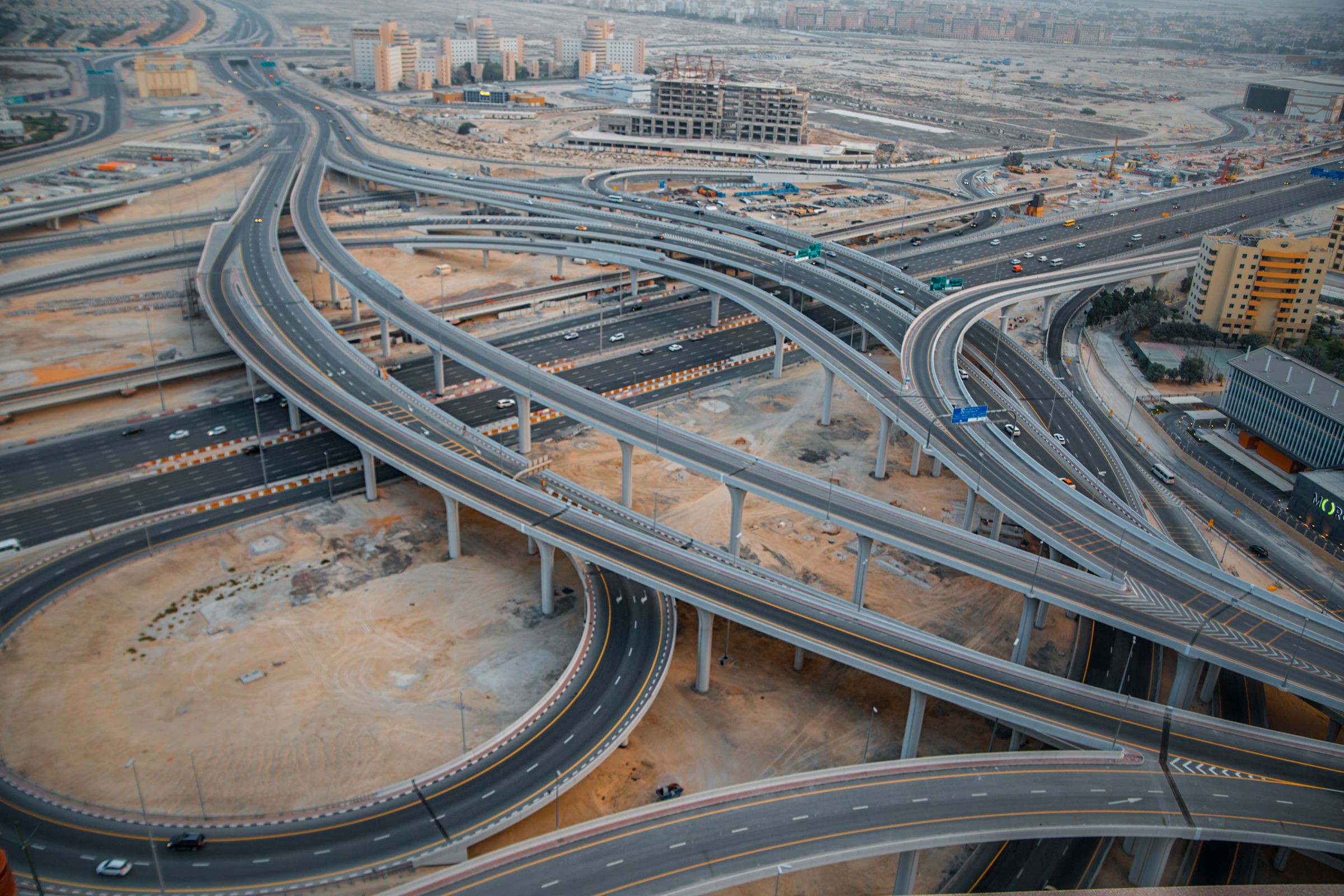
Dubai's new bridge cuts commute from six minutes to one
Final crossing at World Trade Centre interchange ends long daily waits for drivers
For the thousands of drivers who cross one of Dubai’s busiest interchanges every day, Friday will bring a change they can feel almost immediately. The Roads and Transport Authority will open the final bridge of the World Trade Centre Roundabout Development Project on Friday, October 30, 2026, and with it, a trip that once swallowed six minutes of a commute will take just one.
The new crossing is a 1,000-metre, two-lane bridge carrying traffic from Al Majlis Street towards 2nd December Street. It can handle roughly 3,000 vehicles per hour. For those who use the route regularly, the difference goes beyond the journey itself: the average delay at the intersection will fall from 12 minutes to 90 seconds. Anyone who has sat through that wait on a crowded morning will understand what those seconds add up to over a week of driving.
The opening marks the completion of all major works on the project, which cost more than Dh696 million and includes five bridges with a combined length of 5km. The former roundabout has been converted into an at-grade intersection, with the bridges providing free-flowing traffic in all directions and easing movement between the commercial and residential areas that surround the site.
Mattar Al Tayer, Director General and Chairman of the Board of Executive Directors of the RTA, said the completion aligns with directives to continue upgrading Dubai’s road infrastructure, improve traffic flow on Sheikh Zayed Road and strengthen connectivity between the emirate’s leading economic and commercial centres. He added that the project will increase road network capacity to keep pace with Dubai’s rapid population, urban and economic growth, reinforce the emirate’s standing in business, investment and tourism, and provide an integrated, sustainable mobility system that facilitates travel for residents and visitors and enhances quality of life.
The intersection itself is one of the city’s most significant, linking Sheikh Zayed Road with five key streets: Sheikh Khalifa bin Zayed Street, Sheikh Rashid Street, 2nd December Street, Za’abeel Palace Street and Al Majlis Street. Its location on Sheikh Zayed Road, its heavy daily traffic and its direct connections to major destinations are what make the improvements matter so much for daily travel.
The five bridges work as a set. One 1km, two-lane bridge at the second level connects Sheikh Zayed Road to Sheikh Khalifa bin Zayed Street towards Deira, with a capacity of 3,000 vehicles per hour. Two further bridges link Sheikh Rashid Street with 2nd December Street, offering two lanes in each direction across a combined 2km and a capacity of up to 6,000 vehicles per hour. Another two connect Al Majlis Street with 2nd December Street on the same pattern, also spanning 2km combined and carrying approximately 6,000 vehicles per hour.
Meanwhile, the people these works serve are estimated at more than 500,000 residents and visitors. They include those living in Zaa’abeel, Al Satwa, Al Karama, Al Jafiliya and Al Mankhool, along with the surrounding residential, commercial and development areas. Drivers will find free-flowing traffic from 2nd December Street in Jumeirah and Al Satwa towards Al Majlis Street, which leads on to Al Mustaqbal Street, Dubai World Trade Centre and Dubai International Financial Centre. Flow towards Sheikh Rashid Street and Deira will also improve, as will movement from Sheikh Zayed Road towards 2nd December Street, from Al Mustaqbal Street towards Sheikh Zayed Road southbound, and from Sheikh Zayed Road towards Sheikh Khalifa bin Zayed Street.
Many of those travellers are heading to work or events at destinations the project directly serves. Dubai World Trade Centre has hosted major international exhibitions, conferences and events for more than four decades, drawing large crowds each year to gatherings such as GITEX, Arabian Travel Market and Gulfood. Nearby, Dubai International Financial Centre stands as a leading financial hub for the Middle East, Africa and South Asia, home to numerous international financial institutions and companies.
More work is still to come on the same corridor. The World Trade Centre Roundabout project complements the Al Mustaqbal Street Development Project, where work is progressing rapidly and completion is scheduled for 2027. That scheme includes bridges and tunnels spanning 1,500 metres and widens the street from three to four lanes in each direction, lifting capacity by 33 percent, from 9,000 to 12,000 vehicles per hour, and cutting journey time from eight minutes to three minutes and 30 seconds.
Its works include three tunnels with a combined length of 1,100 metres at the intersection of Al Mustaqbal Street and Trade Centre Street, plus a 400-metre, two-lane bridge serving traffic from Dubai World Trade Centre towards the junction of Zaa’abeel Palace Street and Al Mustaqbal Street. A 3,500-metre section between Financial Centre Street and Za’abeel Palace Street will be widened, with free-flowing connections added at the intersections with Exhibition Street and Trade Centre Street, a pedestrian bridge on Al Sukook Street, and enhancements to existing intersections along the corridor.
Taken together, the two projects aim to make daily journeys smoother for the residents, employees and visitors who move through this part of Dubai, while giving the road network the capacity to absorb the growth still ahead. Whether the 2027 deadline holds for Al Mustaqbal Street will be the next thing commuters watch for.
Q&A
When does the final bridge of the World Trade Centre Roundabout Development Project open?
On Friday, October 30, 2026, when the Roads and Transport Authority opens the last of the project's five bridges.
How much time will drivers save once the new bridge opens?
A trip that once took six minutes will take just one, and the average delay at the intersection will fall from 12 minutes to 90 seconds.
Who is served by the World Trade Centre Roundabout project?
An estimated more than 500,000 residents and visitors, including those living in Zaa'abeel, Al Satwa, Al Karama, Al Jafiliya and Al Mankhool, as well as surrounding residential, commercial and development areas.
What does the Al Mustaqbal Street Development Project involve and when will it finish?
Completion is scheduled for 2027. It includes bridges and tunnels spanning 1,500 metres, widening the street from three to four lanes in each direction, lifting capacity by 33 percent from 9,000 to 12,000 vehicles per hour, and cutting journey time from eight minutes to three minutes and 30 seconds.