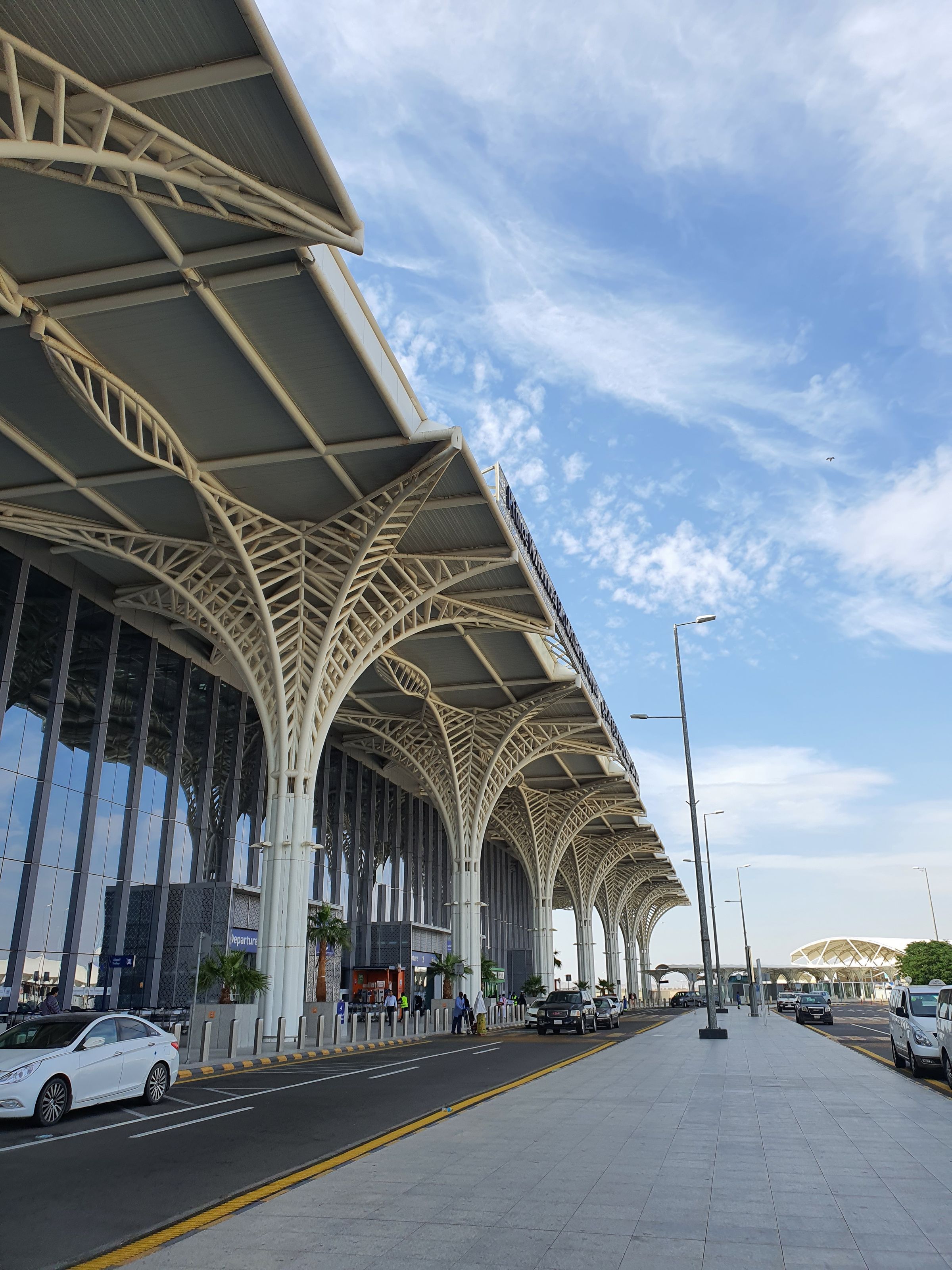
AED 128 Billion Airport Bet Set to Lift Dubai Property
Infrastructure spending is reshaping where investors and developers deploy capital across the emirate
AED 128 billion for a single airport expansion. That is the headline figure in new research from W Capital Real Estate Brokerage, which identifies four large-scale projects as likely catalysts for real estate demand and investment in Dubai and the wider UAE: the Al Maktoum International Airport expansion, the Dubai Metro Blue Line, the Fourth Federal Corridor and Etihad Rail.
The study’s central argument is economic. Transport links and infrastructure now play an increasingly decisive role in real estate investment choices, with developers and buyers shifting capital away from established districts towards communities tied to new economic hubs. For investors, that shift points to up-and-coming residential and commercial areas whose attractiveness is being strengthened by improved connectivity.
The Al Maktoum commitment is the largest single stake. The AED 128 billion expansion is planned to handle as many as 260 million passengers a year, with five parallel runways and 400 aircraft gates envisaged. Beyond its scale, the development is expected to reinforce Dubai’s standing as an aviation and logistics centre, potentially fuelling job creation and appetite for residential, commercial and mixed-use property in Dubai South and neighbouring areas.
By contrast, the AED 20.5 billion Dubai Metro Blue Line offers a more immediate read on how transit investment translates into asset values. The 30 km line will feature 14 stations, linking established and emerging areas such as Dubai Creek Harbour, Dubai Silicon Oasis, International City, Mirdif and Al Warqa. More than one million residents are expected to live within the communities it serves, with daily passenger numbers forecast to reach 200,000 by 2030 and roughly 320,000 by 2040.
For property holders and buyers, the projections are significant. Dubai’s Roads and Transport Authority estimates that land and property values near Blue Line stations may climb by as much as 25%, while the line is forecast to deliver over AED 56.5 billion in economic, social and environmental gains by 2040.
Historical evidence supports the transit premium thesis. Data from property consultancy CBRE, referenced in the study, shows that homes within a 15-minute walk of Dubai Metro Red Line stations recorded average price appreciation of 26.7% from 2010 to 2022, compared with 24.1% for Dubai’s broader residential market. W Capital cautioned, however, that better public transport access may underpin values but that future returns would also hinge on supply, demand, build quality and the presence of community amenities.
Taken together, the findings suggest that capital flowing into transport infrastructure is functioning as a value driver across Dubai’s real estate market, channelling investor and developer interest towards areas positioned along new rail and aviation corridors. Whether the Blue Line’s projected 25% uplift holds as supply ramps up alongside it is the question market watchers will be tracking through 2030.
Q&A
What is the scale of the Al Maktoum International Airport expansion?
The AED 128 billion project is planned to handle up to 260 million passengers a year, with five parallel runways and 400 aircraft gates, reinforcing Dubai's aviation and logistics standing.
How has proximity to metro stations affected property prices historically?
CBRE data shows homes within a 15-minute walk of Dubai Metro Red Line stations appreciated 26.7% on average from 2010 to 2022, versus 24.1% for the broader residential market.
What uplift does the Roads and Transport Authority project near Blue Line stations?
The RTA estimates land and property values near Blue Line stations may climb by as much as 25%, with the line forecast to deliver over AED 56.5 billion in economic, social and environmental gains by 2040.
What caveats does W Capital attach to the transit premium thesis?
W Capital cautions that while better public transport access may underpin values, future returns will also depend on supply, demand, build quality and the presence of community amenities.