GCC Ministers Back Saudi Arabia, Call for US-Iran Talks
GCC ministers back Saudi sovereignty and set conditions for any US-Iran deal.
Gulf Cooperation Council foreign ministers, meeting at the 168th session of the GCC Ministerial Council in Manama on Sunday, issued a formal statement of solidarity with Saudi Arabia amid ongoing Houthi attacks and set out a collective position on the escalating tensions between Washington and Tehran.
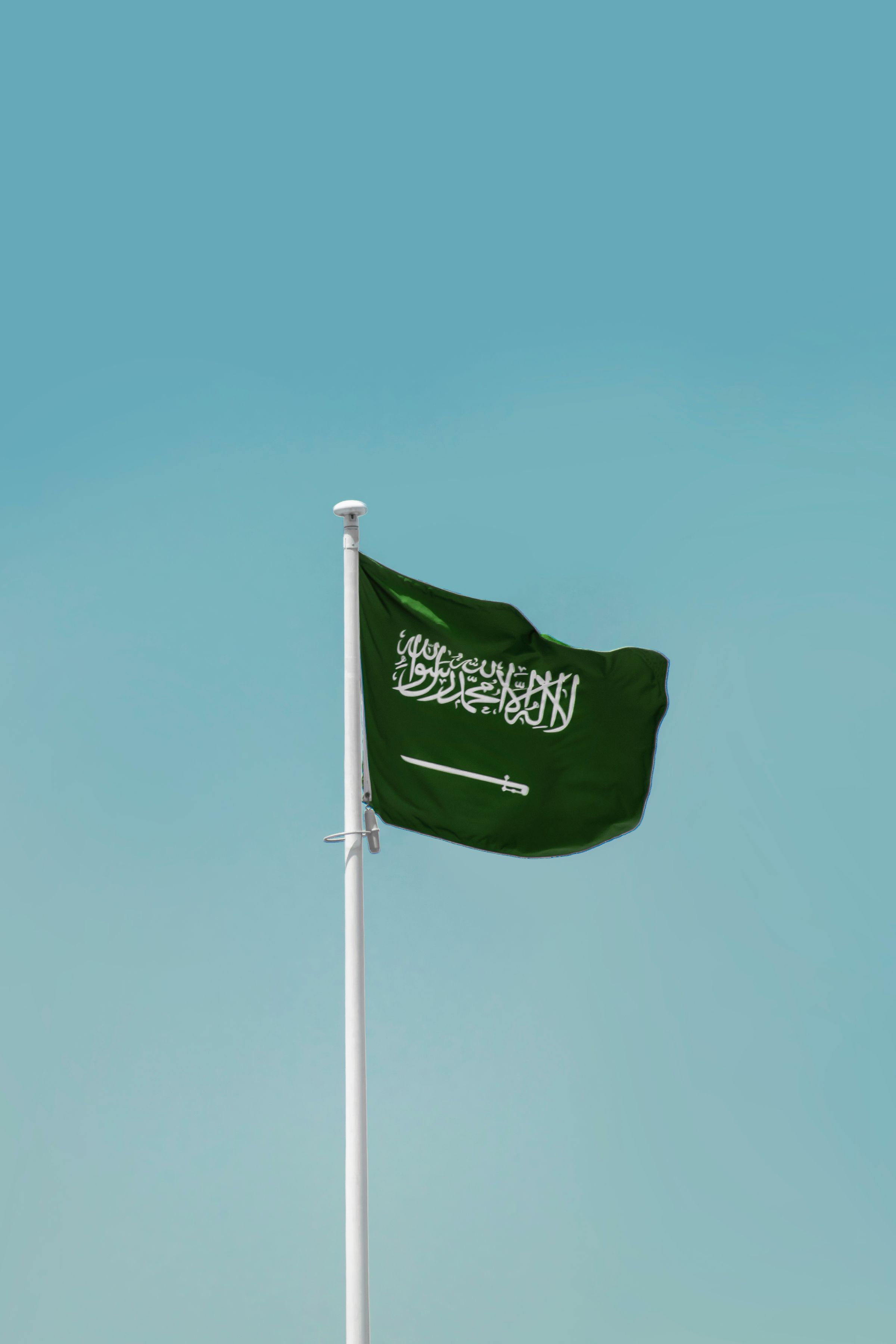
The final statement, issued in the Bahraini capital, framed the council’s position in institutional terms. “The Council underscores the GCC member states’ full solidarity with the Kingdom of Saudi Arabia, their united stance alongside it, and their support for all measures it undertakes to safeguard its sovereignty and protect its security and interests,” the statement read.
The declaration places the council’s collective weight behind one of its member states at a moment of regional strain, and it does so through the council’s own formal mechanisms rather than through bilateral arrangements. By recording its support for “all measures” Saudi Arabia undertakes to protect its security and interests, the ministerial body effectively endorsed the kingdom’s sovereign decisions in advance, a formulation that binds the six member states to a shared stance.
The session also addressed Yemen, where the council expressed support for the country’s sovereignty and territorial integrity. It urged a political solution grounded in dialogue and built on the GCC Initiative, the outcomes of the National Dialogue Conference, and relevant United Nations resolutions. The reference to the GCC Initiative and the National Dialogue Conference outcomes anchors the council’s Yemen position in frameworks the grouping itself helped establish, alongside the UN’s legal instruments.
Maritime questions occupied a further part of the statement. Concerning the Strait of Hormuz, Bab al-Mandeb and the Red Sea, the council described freedom of navigation through these waterways as a “shared international interest and responsibility.” It rejected any restrictions on maritime traffic and called for a return to pre-Feb. 28 conditions in the Strait of Hormuz, a demand that ties the council’s position to a specific benchmark for restoring the status quo in a corridor central to global energy shipments.
Meanwhile, on the tensions between Washington and Tehran, the council reaffirmed its backing for mediation efforts aimed at reaching a political solution that prevents the region from descending into further tensions and instability. The endorsement of mediation signals that the GCC’s preferred instrument remains diplomacy conducted through intermediaries, rather than escalation by any party.
The statement, however, went beyond general support for talks and set conditions for the outcome of any agreement. The council called for any deal to address Iran’s nuclear and missile programs, its drones, and its support for proxies. It also stressed the need to involve GCC states in negotiations that affect their security and interests, a demand for a seat at the table in talks that have historically been conducted between Washington and Tehran without direct regional participation.
Taken together, the statement functions as both a declaration of alignment and a set of negotiating parameters. The council positions itself as a stakeholder whose security concerns must be reflected in any US-Iran settlement, while simultaneously committing its members to diplomatic resolution over confrontation. The solidarity clause with Saudi Arabia, the Yemen framework, the navigation demands, and the conditions on any nuclear agreement each serve the same underlying purpose: asserting that the Gulf states’ collective security interests cannot be an afterthought in decisions made elsewhere.
The 168th ministerial session, held on Sunday in Manama, thus produced a document that speaks in the language of sovereignty, international responsibility, and mandated processes. Whether the mediation efforts the council endorsed can produce the political solution it seeks, and whether GCC states will in fact be included in the talks they now insist concern them, remains to be seen.
Q&A
Where and when did the GCC foreign ministers meet?
They met at the 168th session of the GCC Ministerial Council in Manama, Bahrain, on Sunday.
What conditions did the council attach to any US-Iran agreement?
Any deal must address Iran's nuclear and missile programs, its drones, and its support for proxies, and GCC states must be involved in negotiations affecting their security and interests.
What did the council say about maritime navigation?
It described freedom of navigation through the Strait of Hormuz, Bab al-Mandeb, and the Red Sea as a shared international interest and responsibility, rejected restrictions on maritime traffic, and called for a return to pre-Feb. 28 conditions in the Strait of Hormuz.
What frameworks did the council cite on Yemen?
It urged a political solution built on the GCC Initiative, the outcomes of the National Dialogue Conference, and relevant United Nations resolutions, while supporting Yemen's sovereignty and territorial integrity.