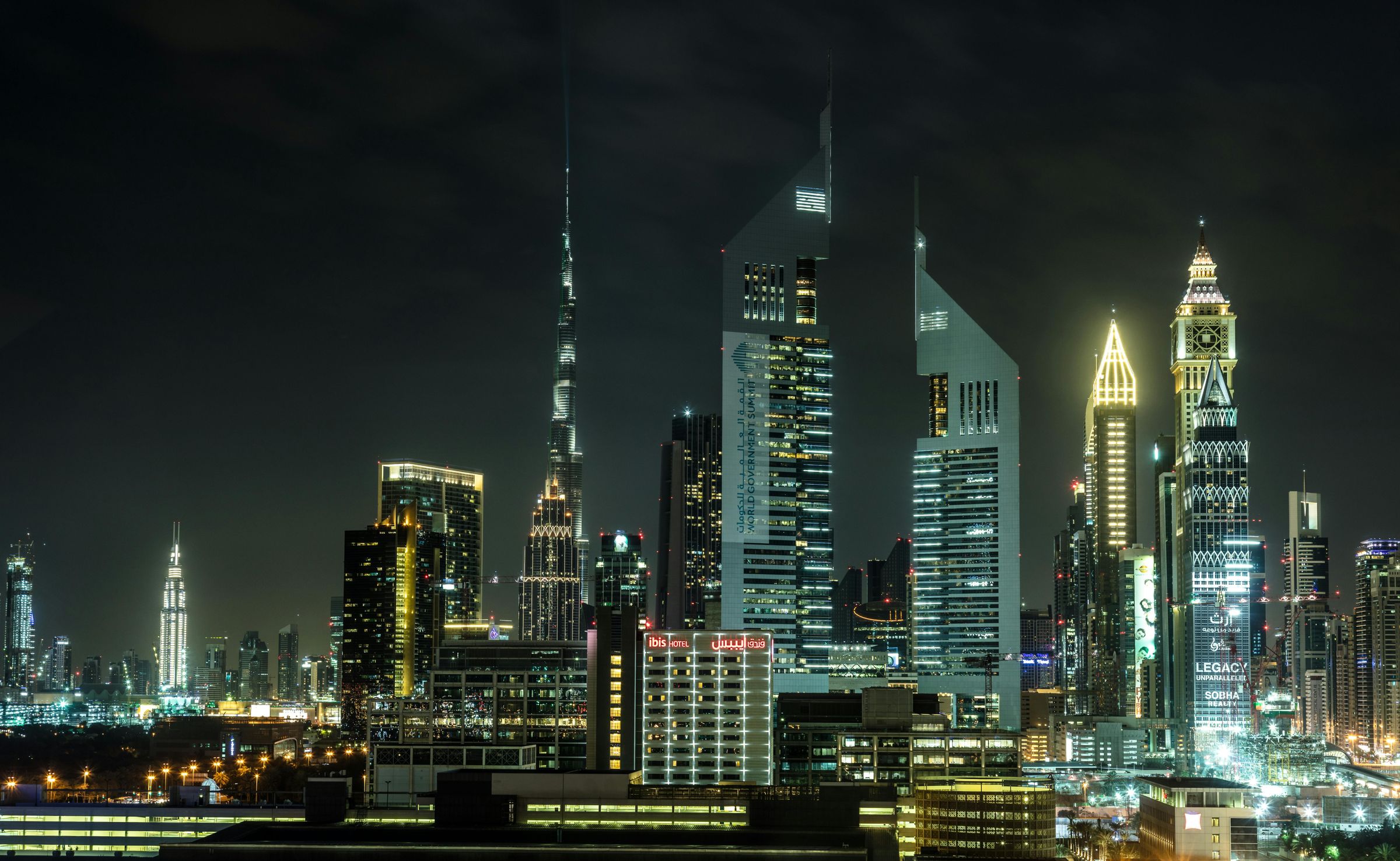
Dubai Bets $544.6M on Urban Plan to Unlock $5.4B Value
Council backs urban hubs with population policy and digital authorizations
Dubai’s Executive Council has put more than $544.6 million of approved investment behind a new urban development plan, a commitment designed to lift real estate value across designated urban centers by $5.4 billion by 2040. The money tells the story. For investors and property operators, the plan signals where Dubai expects value to concentrate over the next decade and a half: around a defined network of urban hubs rather than dispersed growth.
The Urban Centers Development Plan was approved during a council meeting chaired on Tuesday by Sheikh Hamdan bin Mohammed bin Rashid Al Maktoum, Crown Prince of Dubai, Deputy Prime Minister and Minister of Defense of the UAE. It spans six main urban centers and 42 supporting sub-centers, a footprint covering 12% of Dubai’s urban area, and is overseen by the Supreme Committee for Urban Planning and Dubai Municipality in collaboration with relevant entities.
The investment logic rests on three stated priorities: quality of life, economic returns, and infrastructure efficiency and cost. The plan concentrates residential and employment areas around mass transit stations, diversifies land use, and brings homes closer to workplaces. Two targets stand out for anyone assessing long-term demand. The share of residents living near metro stations is projected to rise from 52% to 74%, while public service coverage is set to expand from 74% to 85%. Denser, transit-oriented development of this kind typically underpins both rental demand and land values in the zones it touches, which is the implied bet behind the $5.4 billion value target.
Sheikh Hamdan framed the initiative as an effort to develop integrated communities that support sustainable growth and improve quality of life, while strengthening Dubai’s appeal as a place to live, work and invest. That positioning speaks directly to the capital that funds the emirate’s real estate cycle, both domestic and inbound.
Meanwhile, the council paired the spatial plan with a fiscal and demographic tool. It also approved the Sustainable Population Planning Policy, which links demographic forecasts with economic and urban development plans to guide future infrastructure and service requirements. The policy aims to improve use of existing infrastructure, enhance service efficiency, and ensure capacity keeps pace with population growth, a framework intended to protect returns on public spending by avoiding overbuilding or shortfalls.
That policy also carries an economic agenda. It supports job creation in high-productivity sectors in line with the Dubai Economic Agenda, D33, while seeking to attract skilled workers, increase household incomes and strengthen purchasing power. Sheikh Hamdan said the policy would help align economic growth with the needs of residents and businesses, while supporting Dubai’s efforts to attract talent and investment. For employers and market-watchers, the linkage between population planning and the D33 agenda is the clearest indication of how the emirate intends to sequence growth: infrastructure follows forecast demand rather than chasing it.
A third approval rounds out the package and bears on how business is conducted in the emirate. The council approved a Digital Authorization System for individuals and companies, allowing users to authorize others to complete eligible transactions on their behalf through a platform developed and operated by Digital Dubai. The system covers low-risk services that do not require notarisation or legal attestation, uses UAE PASS for identity verification, and enables paperless management of authorisations. Its stated targets are a fully digital customer experience, 100% effectiveness in combating fraud and operational risks, and a 90% Customer Effort Index score.
Taken together, the three approvals read as a coordinated bet on managed growth: capital directed toward specific urban centers, demographic planning to size the infrastructure those centers need, and digital infrastructure to lower transaction friction. Sheikh Hamdan said the digital initiative would strengthen Dubai’s position as a global leader in accessible, efficient and integrated digital government services. Whether the $5.4 billion value target holds will depend on how quickly private capital follows the council’s map. Further coverage is available at https://fastcompanyme.com/news/dubai-approves-544-6-million-investment-plan-targeting-5-4-billion-in-real-estate-value-by-2040/.
Q&A
How much investment did Dubai's Executive Council approve and what value does it target?
The council approved more than $544.6 million behind the Urban Centers Development Plan, designed to lift real estate value across designated urban centers by $5.4 billion by 2040.
What is the geographic footprint of the plan?
It spans six main urban centers and 42 supporting sub-centers, covering 12% of Dubai's urban area, overseen by the Supreme Committee for Urban Planning and Dubai Municipality with relevant entities.
What are the key demand-side targets in the plan?
The share of residents living near metro stations is projected to rise from 52% to 74%, and public service coverage is set to expand from 74% to 85%, supporting rental demand and land values in transit-oriented zones.
What other approvals accompanied the urban plan?
The council approved the Sustainable Population Planning Policy, linking demographic forecasts with economic and urban plans to guide infrastructure needs and support D33 job creation, and a Digital Authorization System operated by Digital Dubai, using UAE PASS for paperless authorizations of eligible low-risk transactions.